CITF Course in India with Practical Trade Finance Training
Build real trade-finance capability for Indian banking, EXIM, documentary-trade and cross-border operations roles through a CITF-focused live online course with mock exams, structured revision and guided exam support.
4.6/5
based on 170+ learner reviews
50,000+
across India, GCC and global markets
200+
regional and international employers
Next cohort
Starting within the next 7-10 days
Built for professionals across Mumbai, Delhi NCR, Chennai, Bengaluru, Hyderabad, Kolkata and other India trade hubs with live sessions, recordings and revision support.
No spam. Our team will contact you within 24 hours with batches, fees and the right CITF route for your profile.
Course Overview
A CITF Course in India for Candidates Who Want More Than a Generic Trade Finance Workshop
If you are searching for a trade finance course in India, many options stay broad, fragmented or too export-documentation-heavy. This route keeps the focus on the current CITF qualification while helping you properly understand settlement methods, trade documents, ICC rules, guarantees, collections, Incoterms and trade-finance risk in a structured way.
By the end of this course, you will be able to
- Understand how international trade transactions are structured, funded, documented and settled across banks, corporates and EXIM workflows.
- Handle concepts around letters of credit, documentary collections, guarantees, standby credits, Incoterms 2020 and core ICC rules with more confidence.
- Prepare for the current two-unit CITF qualification with guided study plans, mock support, case-style practice and revision discipline.
Built for Indian trade-finance demand
- Mode: Live online classes with recordings and LMS support
- Best fit: Trade finance teams, transaction banking, EXIM operations, export-import businesses, treasury, logistics and documentary-trade roles
- Qualification route: Certificate in International Trade and Finance under Walbrook / LIBF
- India angle: Useful for candidates comparing CITF with IIBF-style trade-finance credentials, export-import diplomas and general trade-finance certificate courses
Quick answers for India candidates
Two one-hour assessments
Online exam route from India
India Market Relevance
Why CITF Makes Sense for Indian Banking, EXIM and Trade Operations Professionals
India demand is not only about the acronym. The live query mix also shows interest around exam fees, certification cost, what CITF means, full-form queries, and broader trade-finance learning. That is exactly why the course stays CITF-led while still explaining the wider trade-finance value clearly.
- Useful for private-sector bank, MNC bank and transaction-banking teams handling LCs, collections, guarantees and trade documents.
- Relevant for exporters, importers, manufacturing finance teams, logistics-linked businesses and EXIM support roles where document accuracy and settlement clarity matter.
- Helps candidates who want stronger trade-finance credibility before moving into more specialist routes such as documentary-credit-heavy qualifications later on.
- Supports professionals working with clients, banks, freight forwarders, customs-linked processes and cross-border commercial documentation.
In practice, the knowledge is valuable across Indian private banks, international banks, export houses, logistics firms, trading businesses and corporate treasury-support teams.

What you get
What This India CITF Training Includes
The delivery is built to keep the page useful, not bloated: strong faculty, strong practice, clear official guidance and enough structure to help working professionals actually finish the preparation properly.
Classes
Live online sessions with expert faculty
Learn from guided classes that simplify documents, trade products, ICC rules, settlement methods and exam-heavy topics without wasting time on fluff.
LMS
AI-powered LMS with revision tools
Access notes, mindmaps, infographics, recordings, revision plans and structured study support that helps busy professionals stay on track.
Practice
1500+ questions, mocks and case drills
Practice with exam-style questions, scenario-based learning and mock support so the current CITF format feels familiar before the assessment.
Application
Trade-finance concepts explained through real workflows
Cover documentary credits, collections, guarantees, shipping documents, risk points, fraud controls and financing methods through practical examples.
Guidance
Official exam and registration clarity
Get help with the current unit structure, fee breakdown, exam booking flow, validity window and how to plan preparation from India.
Support
Doubt-clearing, office hours and mentor support
Use mentor help when UCP, documents, Incoterms, financing logic or question interpretation needs a second pass.
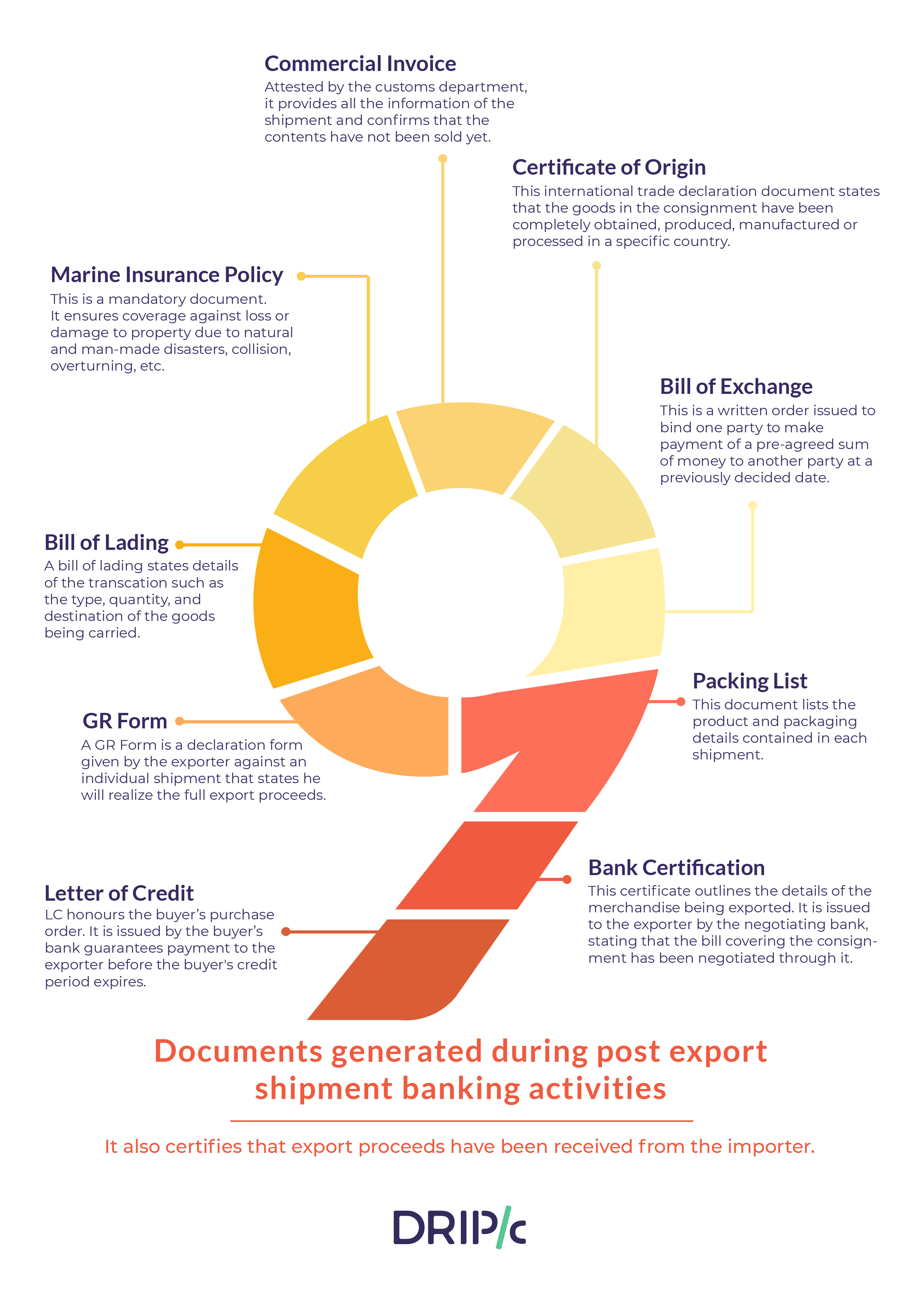
Trade Tools and Documents
What You Actually Work Through in a Strong CITF Preparation Cycle
This is where broader trade-finance demand gets converted into a qualification-backed learning route instead of a vague generic course.
You are not just memorising terminology. You are learning how the product, document and risk pieces fit together in real trade-finance workflows.
Curriculum
What the Current CITF Syllabus Covers
The course outline below follows the current qualification structure, not older one-exam descriptions still floating around on outdated pages.
+
- International trade environment, trade flows, counterparties and institutions.
- Risks in international trade and common mitigation structures.
- Bank-customer relationships, correspondent banking and settlement choices.
- Open account, advance payment, documentary collections and documentary credits.
- Guarantees, standby credits and the ICC rules that govern settlement methods.
+
- Trade finance structures across short, medium and longer tenors.
- Export credit support, supply chain finance and financing alternatives.
- Foreign exchange risk and hedging basics in cross-border trade.
- Trade documentation, transport documents and Incoterms 2020.
- Digitisation, innovation, compliance and current issues in trade finance.
+
- Faculty-led explanations of areas that usually confuse self-study candidates.
- Topic-wise practice, mock support and revision planning around the two-unit structure.
- Useful explanations for Indian banking, EXIM and documentation scenarios so the syllabus feels practical, not abstract.
The qualification currently uses two ten-credit units, each assessed separately through a one-hour exam.
Current exam format at a glance
- Two mandatory units.
- Each unit uses one separate one-hour exam.
- Each assessment includes 30 MCQs plus 2 case studies with 5 linked MCQs.
- Current stated pass mark: 70% per unit.
- Registration validity: up to 12 months from registration.
Download full syllabus
Get the complete CITF syllabus, batch options, official fee guidance and a preparation path suited to your background and work schedule in India.
Who should take it
Who This CITF Course in India Is Best For
You do not need to already be a niche specialist. The strongest fit is for people whose role touches trade, payments, documentation, client handling or cross-border finance workflows.
- Trade finance officers, trade operations teams and documentary-trade staff in banks.
- Corporate banking, relationship and transaction-banking professionals supporting trade clients.
- Export-import executives, documentation teams and EXIM coordinators in trading or manufacturing businesses.
- Logistics, treasury, procurement and finance professionals dealing with cross-border commercial flows.
- Early-career professionals who want a stronger route into trade finance than a generic short course offers.
Eligibility and fit
CITF is widely used as a broad foundation route for candidates who want stronger trade-finance knowledge before moving deeper into narrow specialist areas.
- Best starting point for: professionals who want structured trade-finance learning plus a recognised qualification route.
- Helpful prior exposure: banking, documents, import-export operations, finance, logistics, treasury or client servicing.
- Exam language: candidates should be comfortable learning and testing in English.
If your day-to-day work already includes LCs, documents, settlement terms, export documentation or client queries around cross-border trade, the syllabus will feel immediately relevant.
Career outcomes
Roles and Salary Direction After CITF in India
Candidates comparing trade-finance options usually want practical payoff, not only syllabus detail. CITF is useful when you want stronger positioning for trade operations, documentary-trade, EXIM and transaction-banking roles.
Typical roles
- Trade Finance Officer
- Trade Operations Analyst
- Documentary Credit or Collections Executive
- Export-Import Documentation Executive
- Transaction Banking Support Associate
- Guarantees and Trade Services Specialist
- Relationship Support for Trade Clients
- Assistant Manager – Trade Operations
Where the knowledge is used
- Private-sector and international banks
- Trade services, transaction banking and operations teams
- Export houses, manufacturing exporters and trading businesses
- Logistics, freight-forwarding and shipping-linked finance support teams
- Corporate treasury, shared-services and cross-border documentation functions
Indicative salary bands
Actual pay depends on city, employer type, experience and whether the role is operations-focused, client-facing or managerial.
Export-import documentation / junior trade operations roles: INR 3.5-7 lakh annually
Trade finance officer / documentary-trade / transaction support roles: INR 6-14 lakh annually
Senior specialist / manager / product-facing trade finance roles: INR 12-30 lakh+ annually
Disclaimer: ranges are directional India market estimates built from current salary snapshots and role listings, not guaranteed compensation.
Faculty
Learn with Guided Trade-Finance Support, Not Just Notes
For India candidates comparing providers, named faculty and serious support matter. The course should feel clearer and more accountable than a thin course listing or a self-study-only option.

Shyam Sarrof
CPA (USA), CMA (USA), ACA, ACMA, CS, CFA, ACTM, MBA, B.Com (H)
Shyam brings senior finance, control and business-training experience into CITF preparation and helps candidates connect trade documents, banking workflows, risk awareness, commercial logic and exam discipline without making the subject feel academic or distant.
Why this support model works
Structured prep for busy Indian professionals
- Trainer-led explanation of documents, trade products and ICC-rule logic that usually slows self-study candidates down.
- Useful support around practice questions, case interpretation and the current two-unit assessment style.
- Suitable for professionals balancing preparation with bank, EXIM, logistics, treasury or corporate workloads.
Learner stories
What Our India Learners Say
Real feedback from professionals who used the course to build stronger trade-finance capability and prepare for the exam with more confidence.
“The CITF training gave me clarity on LCs and collections that I never got on the job. The mock tests and explanations made the actual exam feel manageable and I cleared both units on my first attempt.”
“As an export documentation executive, I wanted a global certification but was worried about the exam. EduDelphi’s faculty used Indian examples and the LMS recordings so I could study at night, and CITF has already helped me move into a better role.”
“The balance of live classes, MCQs and revision sessions was perfect. The trainer’s bank experience showed in the way he explained UCP 600 and Incoterms and the LMS recordings made it easy to revise alongside work.”
Exam and certification
How the Current CITF Qualification Works
Many third-party pages still describe an older assessment model, so the details below follow the current structure candidates should plan against now.
Current structure
- Two mandatory ten-credit units.
- Each unit is assessed through a separate one-hour online exam.
- Each unit assessment includes 30 MCQs plus 2 case studies with 5 linked MCQs.
- Current stated pass mark: 70% per unit.
- Registration is typically valid for up to 12 months from registration.
What you earn
After completing both units, candidates earn the Certificate in International Trade and Finance (CITF) under Walbrook / LIBF.
- Useful for broader trade-finance credibility rather than only a narrow product niche.
- Relevant across banking, EXIM, documentary trade, logistics-linked finance support and cross-border commercial functions.
- Best positioned as a structured trade-finance qualification, not just a short awareness course.
Fees and inclusions
India CITF Fee Clarity: Training Support and Official Qualification Cost
A lot of candidate confusion in India comes from mixing training fees, registration fees and exam guidance. This section keeps them separate.
What your training fee includes
- Live online classes with recordings.
- AI-powered LMS access with notes, mindmaps and revision resources.
- 1500+ practice questions, case-style drills and mock support.
- Doubt-clearing, office hours and exam-planning guidance.
- Syllabus, batch and preparation planning support for India candidates.
Ask for the latest India fee breakup
Official qualification fee guidance
Current Walbrook / LIBF guidance lists the full qualification fee at GBP 750, with unit resit and specimen mock fees charged separately where applicable.
- Full qualification fee: GBP 750
- Unit resit fee: GBP 175 per unit
- Specimen mock fee: GBP 25 per unit
Official fees can change. We help you separate the current official qualification cost from Edudelphi training charges before you register.
FAQs
Frequently Asked Questions
Clear answers for India candidates comparing CITF with broader trade-finance learning routes and local alternatives.
Is this mainly a CITF exam-prep page or also for people searching for a trade finance course in India?
Both. The page is built around the current CITF qualification, but it also serves candidates who want a serious trade-finance course in India and prefer a structured qualification route instead of a generic short workshop.
Can I take the current CITF exam online from India?
Yes. The qualification is now designed around online assessment through the current digital route, so candidates in India can prepare and sit the assessments remotely as per the latest official process and requirements.
How is this different from IIBF’s Certificate in International Trade Finance?
They are separate qualifications. The route here is for the Walbrook / LIBF CITF qualification, which has its own structure, fee model and exam process. Candidates in India often compare the two, so we help clarify which route matches your goals.
Does the course cover letters of credit, collections, guarantees and Incoterms?
Yes. Those are central parts of the learning path, along with settlement methods, documents, financing methods, risk concepts, FX considerations and the relevant ICC rules used in international trade finance.
Is this useful only for bankers, or also for export-import professionals in India?
It is useful beyond banks as well. Exporters, importers, EXIM documentation teams, logistics-linked finance staff, procurement teams and treasury-support professionals can all benefit when cross-border documents, payment terms and trade risk affect their daily work.
How long does most preparation take for working professionals in India?
Many learners aim to complete preparation in roughly 3 to 6 months, depending on background and available study time, while the official registration validity usually gives you a longer planning window.
Will this help if I want broader trade-finance roles and not only an exam credential?
Yes. That is one of the strongest reasons to choose CITF. The qualification helps you build wider understanding of products, documents, trade terms, settlement methods and risk concepts that support real trade-finance and EXIM roles, not only exam preparation.
Do you help with official registration, fee clarity and batch planning from India?
Yes. We help you understand the official fee components, the current structure, registration route, batch timing and how to sequence your preparation without confusing training fees with the qualification fee.
Which India cities usually join this course?
Candidates commonly join from Mumbai, Delhi NCR, Chennai, Bengaluru, Hyderabad, Kolkata, Pune, Ahmedabad and other India trade or banking hubs because the delivery is online-first and built for working schedules.
What if I am still unsure whether CITF is better than a generic trade-finance certificate course?
If you want more structure, stronger assessment discipline and clearer qualification value, CITF is usually the better route. If you only want a short introductory overview, a generic awareness course may feel lighter but also less useful for long-term credibility.
Need a broader online route?
Compare this India page with our global online CITF course if you want a less location-specific route.
Get course details
Get CITF Syllabus, Fees and Upcoming Batches
Share your details below to receive a personalised call from our course advisor. They will help you with eligibility, fees, the current exam route and the best preparation path based on your background.
What you will receive
- Full CITF syllabus with unit-wise breakdown.
- Detailed India fee breakup with current offers.
- Batch options that match your work schedule and exam timeline.
- Guidance on official registration, validity window and current assessment structure.
Preferred mode of training
Recorded support
Corporate training
Submit your enquiry
Our team will contact you within 24 hours with complete information and no pressure to enrol.
Ready to build stronger trade-finance capability in India?
Use CITF as the structured route to learn international trade finance properly and move with more confidence in banking, EXIM and trade-support roles.
We will send you syllabus, fees, batches and guidance on the best route for your profile.